
When the Fakes Borrow the Trust
How Zambia’s 2026 election showed what happens to an information landscape when synthetic content becomes ordinary
Management report 2023

How Zambia’s 2026 election showed what happens to an information landscape when synthetic content becomes ordinary

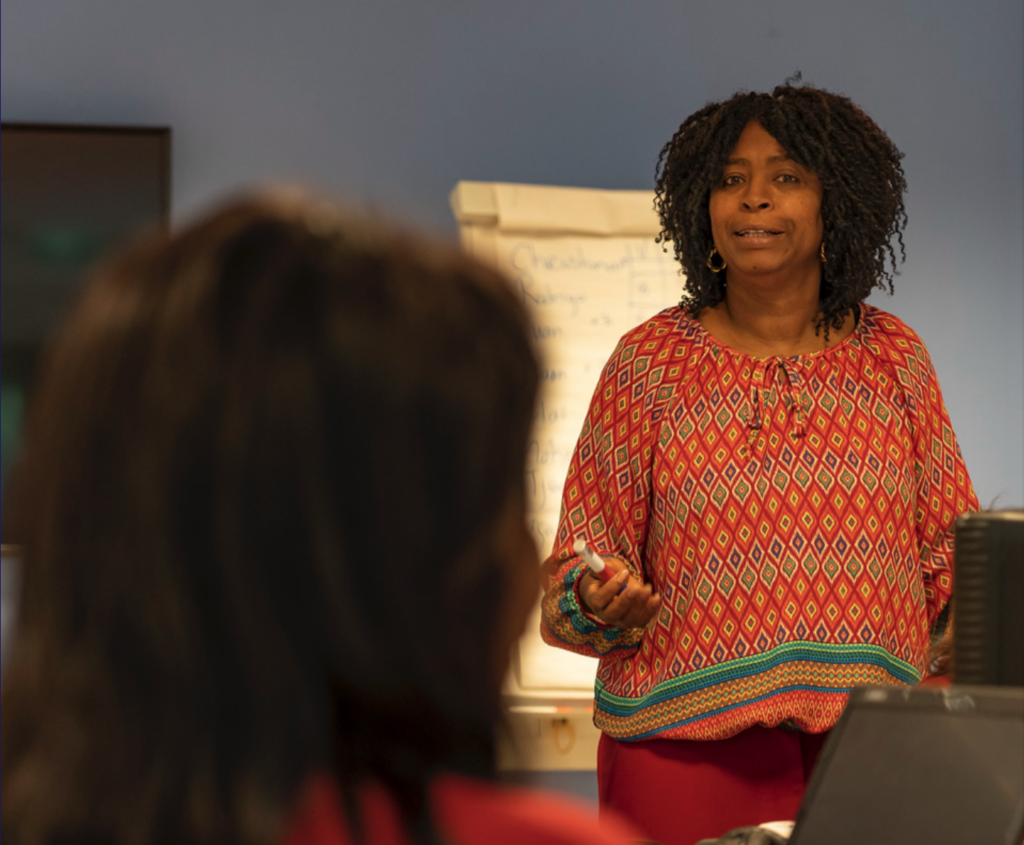
From Afghanistan to the Netherlands: a journey of resilience, learning and finding a voice

In the first piece in this series, we traced the different methods used to silence journalism, from the physical elimination of reporters to the infrastructural capture and control of digital media. We ended that piece with a question: whether Europe is willing to treat media viability and information integrity as strategic democratic priorities, rather than secondary values that get negotiated away when politically inconvenient.

Anti-immigrant sentiment in South Africa is at a 22-year high. The evidence points less to a migration crisis than to a collapsing information ecosystem

What the movies tells us about media ownership, editorial independence, and the “sucking the soul out of everything original” vibe that has hijacked much of our media, culture, and society today.

Israeli forces boarded the Global Sumud Flotilla last week and detained Dutch journalist Gijs Sanders and his cameraman in international waters… This is not an isolated incident, but the latest expression of a deliberate pattern to suppress journalism.

Online hate doesn’t start in the comment section; it begins in the subtle framing of the news. Drawing from her recent media research, Dr. Yasmin Osama exposes how language and narrative asymmetry reduce human lives to mere statistics, and why deleting a comment is like trying to fight a forest fire with a water pistol. Discover how we can move the intervention upstream to restore shared human dignity. Continue reading…

A poster keeps surfacing in my feed. It asks, simply, whether you know what it’s like for your rights to be up for debate every time there’s an election. I imagine it is a profound privilege to never have that thought cross your mind. For millions of minoritized and marginalized people across Kenya and Africa, this is not a hypothetical question. It is our lived reality.

There is a particular kind of paradox that defines the current moment in global civil society: the conferences we convene to defend our rights are themselves becoming targets of the very forces we gather to resist.
We use cookies to enhance your browsing experience and analyze our traffic. By clicking “Accept & Close”, you consent to our use of cookies. Please see Cookie Policy